Wedding floristry is the art of designing custom floral arrangements that define the aesthetic and atmosphere of a marriage ceremony and reception. It involves choosing seasonal flowers, handling logistics for delicate items, and creating beautiful designs. This includes bridal bouquets, centrepieces, and large installations that show a couple’s unique style.
Why Professional Wedding Floristry Matters
Choosing the right floral design isn’t just about picking a favorite color. It’s about understanding how light hits a petal at an outdoor ceremony and ensuring your lily of the valley doesn’t wilt before you reach the altar. Professional wedding flowers act as the living tissue of your event, connecting the wedding venue’s architecture to your personal fashion.
When you invest in expert design, you aren’t just buying stems; you’re buying peace of mind. A professional florist knows which roses have the strongest scent for a ballroom and which succulents can survive a heatwave. From the moment the first delivery van arrives until the end of the wedding reception, their expertise ensures every petal stays perfectly in place.
Choosing a Wedding Florist: What to Look For
Choosing a wedding florist is a deeply personal decision. You’re looking for a creative partner who understands “mood” as much as “mechanics.” A good florist will listen to your vision but also offer honest advice on what is practical for your specific time of year.
When searching for your wedding florist, look for portfolios that show variety. Can they handle a minimalist, single-variety installation as well as a wild, English garden meadow? The process usually begins with securing the date, often 12 to 18 months in advance, especially for popular summer weekends.
The Power of a Mood Board
To get the most out of your consultation, come prepared with a mood board. This shouldn’t just be a collection of Pinterest photos; it should include fabric swatches, photos of the venue, and even textures you love. This helps the designer create bespoke floral concepts that are tailored specifically to you.
Seasonal Bloom Guide and Durability
Not all flowers are created equal when it comes to staying power. If you’re planning a mid-July celebration in a glass marquee, a delicate hydrangea might struggle without a constant water source. Utilising seasonal flowers is the best way to ensure your floral arrangements look vibrant throughout the big day.
What’s Typically Included in a Floral Package?
Every beautiful wedding is different, but a comprehensive plan for wedding flowers usually covers these three main areas:
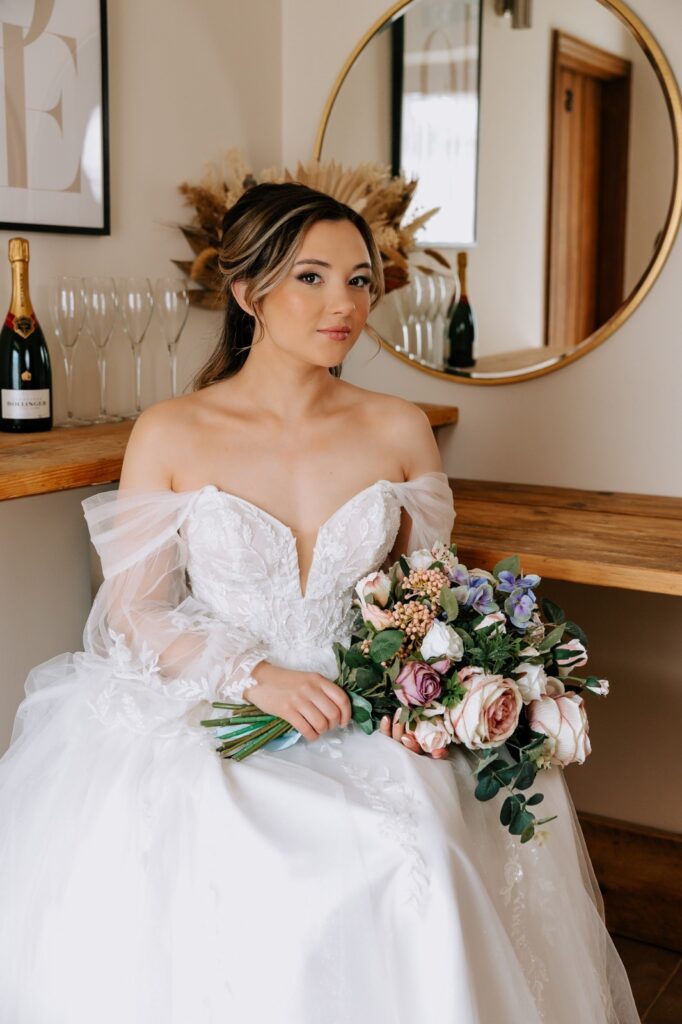
- Personal Flowers: This includes the bridal bouquets, bridesmaid bouquets, boutonnieres, and delicate hair pieces or floral crowns. These are the most photographed floral designs of the day.
- Ceremony Decor: Think beyond the “altar.” This covers pew ends, entrance arches, and “grounded” meadows that look like they’re growing from the floor of your wedding venue.
- Reception Styling: High and low centrepieces, bud vases for the bar, and perhaps a dramatic hanging installation over the dance floor.
The Sensory Experience: Beyond the Visuals
High-end wedding floristry focuses on the “invisible” elements. Texture plays a huge role. Imagine the contrast of soft, pillowy peonies against the architectural, waxy leaves of a monstera. For those seeking an eco-conscious and scent-heavy approach, British grown flowers offer an incredible variety of textures and “wiggly” stems that imported flowers often lack.
The flowers designed for your event should evoke a memory. A professional designer can curate a “fragrance map.” You might want a light, citrusy scent at the ceremony to keep guests feeling refreshed, followed by a deeper, more romantic jasmine or tuberose note in the evening as the candles are lit.
Wedding Flower Planning: Managing Expectations and Costs
Wedding flower planning is a balancing act between your “must-haves” and your investment. Flower prices fluctuate based on global markets, fuel costs, and even extreme weather events. While a specific bloom might be your favourite, a professional florist can suggest alternatives that achieve the same look for a better value.
- Repurpose with Purpose: Move your ceremony aisle markers to the front of the top table.
- Go Big in One Spot: Instead of ten mediocre arrangements, invest in one “wow” moment, like a floral staircase.
- Trust the Season: Local blooms are almost always larger and more vibrant than something that has been flown across the globe.
Logistics: The Unseen Side of the Wedding Day
The magic happens in the “load-in.” While you’re getting your hair done, your wedding florist is managing a cold-chain logistics operation. They are hydrating stems, stripping thorns, and securing heavy structures to ensure nothing topples over when the bass drops on the dance floor.
On your wedding day, you shouldn’t be worrying about the details. From the initial bespoke floral sketches to the final cleanup, having an expert ensures your vision is executed flawlessly. You’re just enjoying the scent of fresh blooms as you walk down the aisle.